
When Do "Better Ingredients" Really Matter?
Thinking more about what we're putting into our bodies (and our kids' bodies)...

When I first started thinking about feeding my kids, I focused a lot on buying “premium” ingredients — organic chicken breasts, broccoli, canned tomatoes and the like. But it quickly dawned on me that the vast majority of the food they were eating were the base ingredients: the pasta, rice, bread, oats, milk, cereal, eggs, beans, lentils, and potatoes.
I was focusing on the toppers, so to speak, rather than core ingredients.
At the end of the day, broccoli is nutritious whether they get it from the freezer aisle or the organic produce section. But the nutritional makeup of the slices of toast, or bowls of rice and soy sauce that they shove into their mouths can be vary wildly.

Bread became a big one for me.
I think a lot about the shift to white bread and white flour in the 1920s and ‘30s as food systems became more and more industrialized. We began to remove the germ and the bran from wheat as we milled flour on larger scales. Those parts of the wheat are filled with nutrients, antioxidants and fiber, and they were mostly removed as part of this large-scale production process. It makes a lot of sense when you think about it: those parts which are incredibly good for you are also the parts of the wheat that spoil and go bad. So when you remove them, you can send this white flour to food deserts across America and give people access to ingredients and calories that won’t spoil on a shelf for a very long time.
As time went by, we developed a taste for this white flour. We also developed “bromated flour,” a chemical process which made flour easier to bake with. But that process, which is banned in Europe, The UK, Canada, Brazil, China, India, Nigeria, Peru and South Korea, also leads to health complications. Again, these were not created for nefarious reasons (as far as I know), but were designed to make life easier for people without access to things like local flour mills, overnight shipping, or recipe substacks (subscribe below!). We found a way to make food cheaper and more accessible — even if it came at a nutrition-benefit cost.
My friend Sarah Minnick, the brilliant pizza maker and owner of Lovely’s Fifty Fifty in Portland, Oregon, has often talked to me about how even in the ‘80s and ‘90s, when we started to think more about nutrition and the value of whole wheat flour in America, we didn’t really understand it yet. As a result, home cooks would often buy a bag of whole wheat flour, then leave it in their pantry in the same they would white flour, and it would quickly go rancid — leading to a common, negative flavor association with whole wheat breads, doughs and baking in general.
The trick? Keep your whole wheat flour in the freezer! It will last way longer and preserve its flavor and nutrition. An easy fix.
The good news is that we now have access to amazing flour millers, whole wheat flours, recipes and cookbooks that can show us a better way. Trying to incorporate that into my children’s diets makes me feel a lot better about the toast they’re eating in the car when we’re running late for school, or smashed into sandwiches in their lunchboxes. Another benefit? It is way more delicious, flavorful and complex.
At the end of the day, I highly recommend seeking out great local bakers in your area and talking to them about whole grains, flours, and what actually goes into their baked goods. It’s more expensive than a loaf of white bread, but maybe that matters more than the quality of the butter or deli turkey that you’re laying on top of it.
So with that, here are a few people and things I want to highlight, just from my own personal experience:
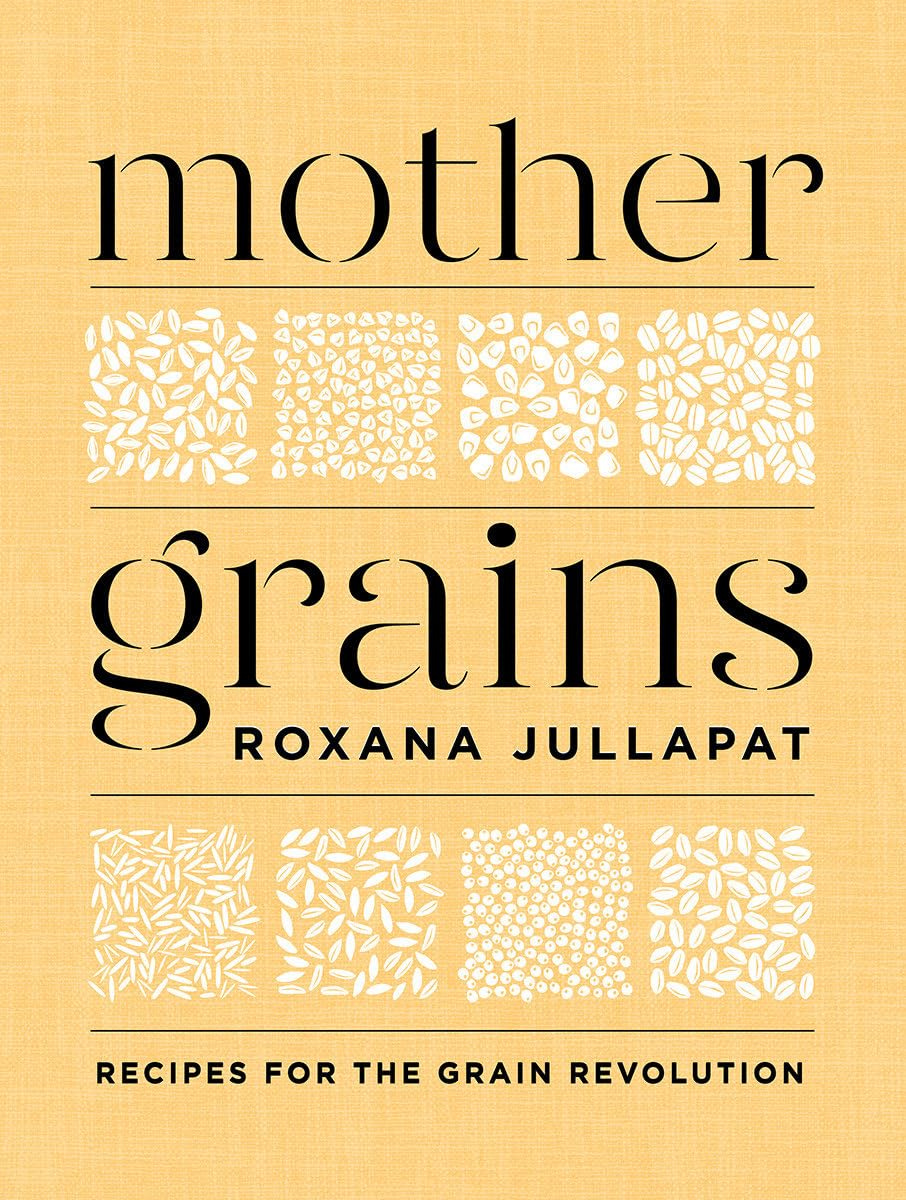
Roxana is a master baker and award-winning cookbook author of books like Mother Grains and her new one, Morning Baker. She writes beautifully and creates incredible recipes about including whole grains into her baking. Her Los Angeles bakery Friends & Family is a staple in my life — it’s where I buy whole loves of her bread, slice them, and leave them in the freezer to have fantastic, nutrient-dense bread available at a moment’s notice. I also buy treats for the kids there. Or as I like to say: if I’m giving my kids a pastry, I want the sugar to be the least healthy thing they’re eating.
King Arthur Organic Whole Wheat Flour
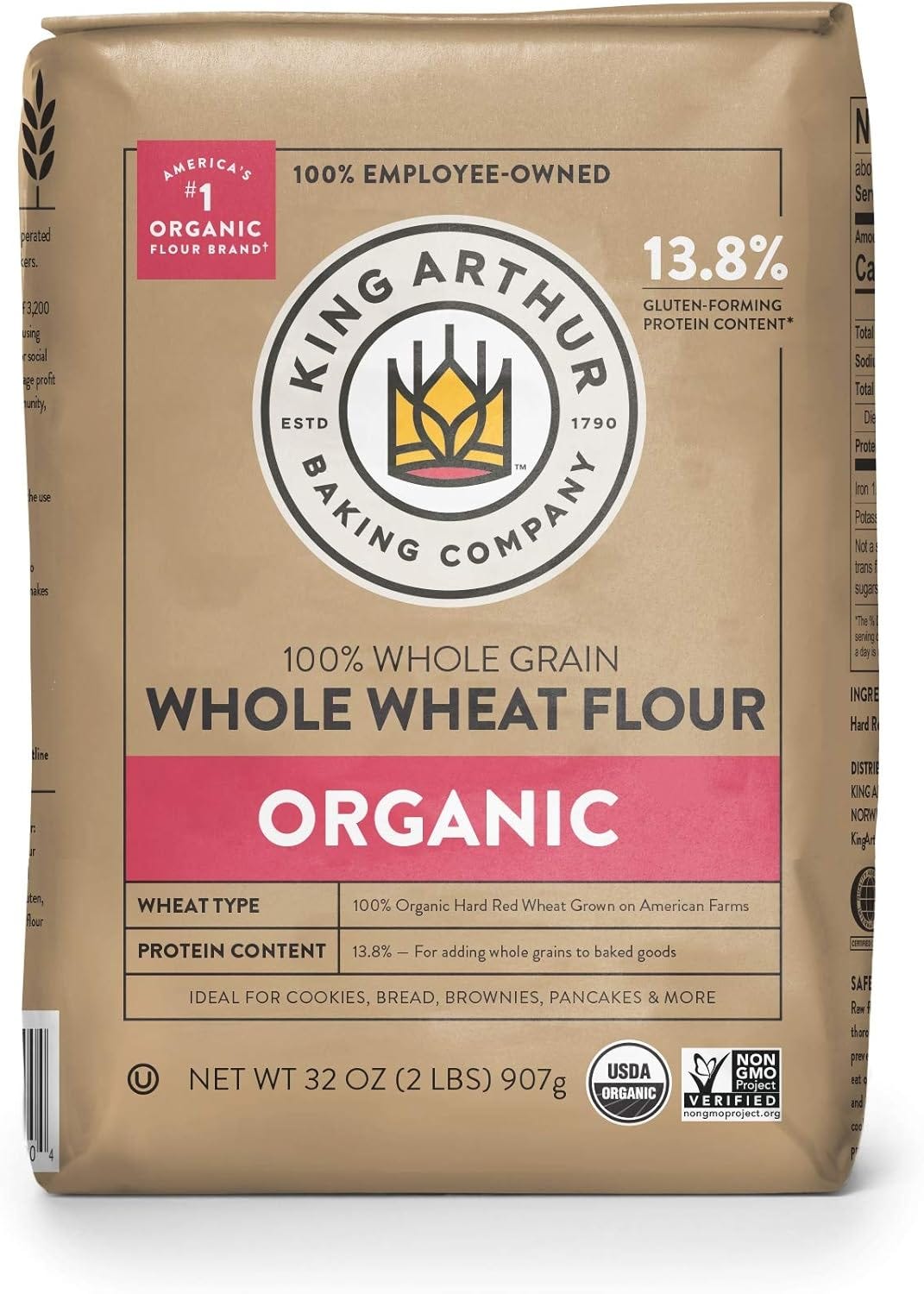
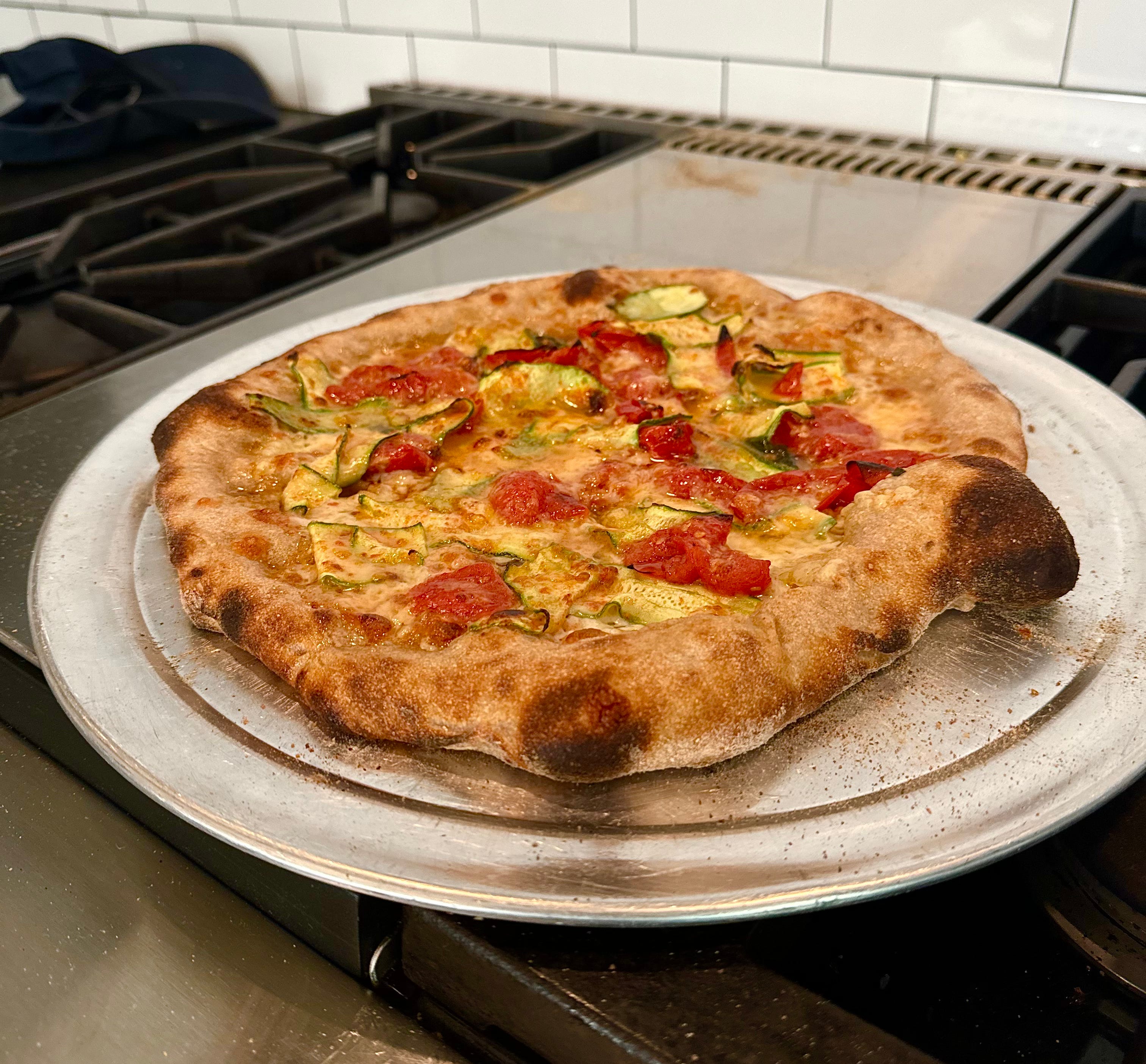
This is a workhorse ingredient that is widely available, milled with great consistency, and produces delicious results in home baking. I mix a fair percentage of it into my pizza dough and I think it creates better texture and flavor than pure white flour pizza.
Not quite as ubiquitous as King Arthur, Central Milling is a great company with a tremendous range of flours available for purchase online.

Another great flour miller I have used a lot! They are located in the Pacific Northwest and make some great, delicious products.
What are some of your favorite bakeries and flour millers in America? Do you have any great bakeries I should try to hit while I’m on the Grill Time Cookbook Tour this summer? Let me know in the comment section!


When you visit San Francisco I recommend any of the Jane locations (Jane on Larkin, Jane on Fillmore, Jane The Bakery). They just recently announced “Jane Grain”, they grow their own crops and use it for their bread now.
Another equally great place is The Mill, I go there once a week to get a loaf. They have a special bread of the week that is always delicious, it was a paprika one last week 😋
Thanks for letting us know she has a new book!